Choosing the right digital marketing company London businesses can work with starts with understanding what digital marketing actually involves. It is more than posting on social media or trying to rank a website on Google. A well-planned digital marketing strategy connects different online channels to help a business attract the right audience, generate enquiries and support long-term growth.
For businesses in London, this can be especially important. The market is competitive, and customers have many options when searching for products and services. A strong online presence can help a business become more visible, communicate its value and turn website visitors into potential customers.
A digital marketing agency brings together strategy, content, search, advertising, data and conversion activity. The goal is not simply to create online activity. Instead, each activity should support a clear business objective.
What Does a Digital Marketing Company Do?
A digital marketing company helps businesses plan, manage and improve their online marketing activities. The exact services can differ between providers, but the overall purpose remains the same: connecting a business with its target audience through relevant digital channels.
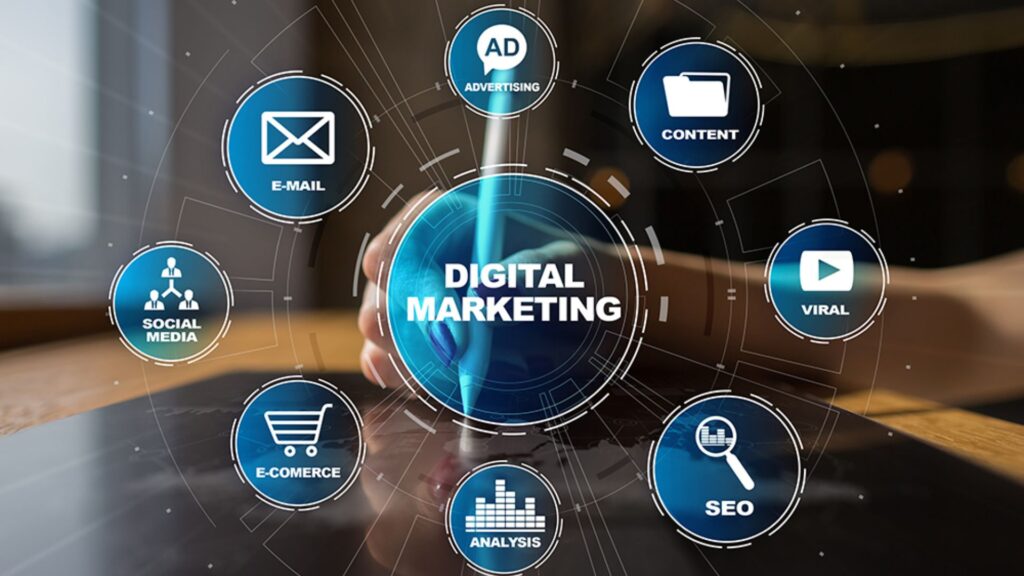
This can include search engine optimisation, paid advertising, social media marketing, content marketing, website optimisation and analytics.
Rather than treating every channel separately, a good marketing company looks at how these areas work together.
For example, SEO can help a business gain organic visibility. Paid advertising can reach people who are ready to take action. Content can answer questions and build trust. Website optimisation can then help turn that traffic into enquiries or sales.
The UK government also recommends starting digital marketing with clear business objectives and a defined understanding of the target audience.
This means digital marketing should begin with strategy rather than simply choosing a list of platforms.
How a Digital Marketing Agency Supports Business Growth
Business growth rarely comes from one marketing activity alone. Instead, it often comes from consistently improving several stages of the customer journey.
A digital marketing agency can help businesses understand where opportunities exist and create a structured approach to reaching potential customers.
Consider the journey below:
Customer Stage | Digital Marketing Activity | Business Outcome |
|---|---|---|
Awareness | SEO, social media and content | More people discover the brand |
Consideration | Guides, landing pages and useful content | Prospects learn about the business |
Decision | Paid search, strong service pages and trust signals | More enquiries and conversions |
Retention | Email and remarketing | Existing customers stay engaged |
Growth | Analytics and ongoing optimisation | Marketing becomes more effective |
This approach helps move the focus away from individual metrics. Website traffic, impressions or social followers can be useful indicators, but they do not always represent business growth.
The more important question is whether digital activity is helping the business achieve its wider goals.
SEO and Organic Visibility
Search engine optimisation is one of the key areas within digital marketing.
When someone searches for a product or service, appearing prominently in relevant search results can put a business in front of people who already have an interest or need.
SEO can involve several areas, including technical improvements, keyword research, content creation, internal linking, local search optimisation and on-page improvements.
For a London business, local search can also play an important role. Customers may search using location-based terms such as a service followed by “London” or a particular London area.
However, successful SEO is not simply about adding keywords to pages. Search engines need to understand the purpose of a page, while users need clear and useful information.
A strong SEO strategy therefore considers both search visibility and the experience provided to visitors.
Paid Advertising and Faster Visibility
Organic search can take time to develop. Paid advertising provides another way for businesses to reach relevant audiences.
Search advertising can place a business in front of people actively looking for a particular product or service. Social advertising can help reach specific audiences based on factors such as interests, behaviour and demographics.
However, running adverts does not automatically produce good results.
Campaign structure, keyword selection, audience targeting, ad messaging, landing pages and conversion tracking all influence performance.
GM Digital’s current PPC offering, for example, focuses on search intent, conversion tracking and revenue-linked reporting rather than simply measuring clicks.
This highlights an important point: effective digital marketing should measure what happens after someone clicks.
Content Marketing Builds Trust
People rarely become customers after seeing a single piece of marketing.
They may visit a website, compare competitors, read reviews, search for answers and return several times before making a decision.
Content marketing helps businesses communicate throughout this journey.
Useful content can answer common customer questions, explain services, demonstrate knowledge and address concerns before someone makes contact.
For example, a professional services business could publish guides that explain common problems and possible solutions. A local service provider could create location-specific resources. An e-commerce business could publish buying guides and product comparisons.
The purpose is not to create content simply for the sake of publishing. Each piece should have a clear role within the wider digital marketing strategy.
Website Optimisation Turns Traffic Into Opportunities
Getting visitors to a website is only one part of digital marketing.
If a website is difficult to navigate, slow, unclear or missing important information, potential customers may leave before taking action.
This is why website optimisation should form part of a wider marketing strategy.
A business website should make it easy for visitors to understand:
What the business offers
Who the service is for
Why the business is relevant
What they should do next
Calls to action should also be clear. Depending on the business, this could involve requesting an enquiry, booking a consultation, calling the company or completing a contact form.
When SEO, advertising and content bring people to a website, conversion-focused pages help turn that attention into meaningful opportunities.
Measuring Digital Marketing ROI
One of the biggest advantages of digital marketing is the amount of data available.
Businesses can track where visitors come from, which pages they view, how users interact with content and whether they complete important actions.
However, data needs context.
A campaign that produces thousands of visits may appear successful at first. Yet if those visitors are not relevant to the business, the traffic may have little commercial value.
Likewise, a smaller campaign that generates highly relevant enquiries may have a greater business impact.
A digital marketing company should therefore help businesses connect marketing activity with meaningful outcomes.
Depending on the business model, these may include:
Qualified enquiries
Lead generation
Sales
Bookings
Conversion rates
Customer acquisition
Repeat business
This makes reporting more useful because decision-makers can see how marketing contributes to wider business performance.
Why Strategy Matters More Than Individual Channels
It is tempting to ask whether SEO, PPC, social media or content marketing is the best option.
In reality, the answer depends on the business.
A company with strong organic visibility may benefit from improving conversion rates. Another business may need paid search to reach customers more quickly. A new brand may need content and social activity to establish awareness.
The right approach depends on the audience, industry, objectives, competition and current online presence.
This is why strategy should come before channel selection.
A digital marketing agency should first understand the business and its customers. From there, it can identify the channels most likely to support the desired outcome.
What Should You Expect From a Digital Marketing Company?
When choosing a marketing partner, businesses should look beyond a list of services.
A useful partner should be able to explain why particular activities are being recommended and how they relate to business objectives.
Clear communication is also important. Marketing reports should not overwhelm business owners with figures that have little meaning. Instead, reporting should explain what happened, what it means and what should happen next.
It is also useful to look for an approach based on testing and improvement.
Digital marketing does not remain static. Search behaviour changes, platforms introduce new features and competitors adjust their strategies. A strong marketing approach should therefore be reviewed and refined over time.
How GM Digital Can Help
For businesses looking for digital marketing support in London, GM Digital takes a strategic approach to online marketing.
The focus should be on creating activity that supports genuine business objectives rather than simply increasing online activity.
This can involve bringing together areas such as SEO, paid advertising, content and conversion optimisation. When these elements work together, businesses can create a more consistent customer journey from the initial search through to the final enquiry.
You can learn more about GM Digital’s digital marketing services and how the company can support your online growth.
Is Digital Marketing Worth It for a Business?
For many businesses, digital marketing can provide a practical way to reach customers where they already spend time researching products and services.
However, results depend on the quality of the strategy, execution and measurement.
Digital marketing should not be viewed as a one-off task. It works best as an ongoing process where businesses learn from data, improve campaigns, update content and respond to changes in customer behaviour.
The key is to focus on the right audience and the right objectives.
Instead of asking, “How much traffic can we generate?”, businesses should also ask, “Are we reaching the right people, and are those people taking meaningful action?”
That change in perspective can make digital marketing much more valuable.
Final Thoughts
A digital marketing company London businesses choose should do more than manage individual online channels. It should help connect marketing activity with clear business goals.
From SEO and paid advertising to content, website optimisation and analytics, each part of digital marketing has a role to play. When these activities are planned together, they can improve visibility, attract relevant audiences and create more opportunities for growth.
The most effective approach is rarely about doing everything at once. It is about understanding the audience, identifying the right opportunities and continually improving what works.
For businesses ready to strengthen their online presence, contact GM Digital today to discuss your digital marketing requirements and identify the next steps for your business.
FAQs
A digital marketing company helps businesses promote their products or services through online channels. Services can include SEO, paid advertising, content marketing, social media, website optimisation and analytics.
Digital marketing can help a London business improve online visibility, reach relevant audiences, generate enquiries and build stronger relationships with potential customers.
Yes. SEO is a major part of digital marketing. It focuses on improving a website's visibility in organic search results and helping relevant users find useful information.
The timeframe depends on the strategy and channels being used. Paid advertising can generate visibility quickly, while SEO and content marketing usually require consistent work over a longer period.
Look for an agency that understands your objectives, target audience and industry. It should also explain its strategy clearly, measure meaningful outcomes and provide useful reporting.